

The Core Components of an Online Casino Platform
After reviewing several casino platforms for a client last year, I see a clear blueprint for success. You need a certified RNG core, a seamless frontend player lobby, and a robust back-office dashboard. Crucially, the system must handle thousands of concurrent game rounds efficiently, as performance is paramount. A single-digit second delay in game loading can slash player retention by over 30%, which is why the best casino platform solutions, such as those found at https://turnkeycasino.ca/, bake this essential speed into their architecture from day one. Providers like Playtech exemplify this, but comprehensive turnkey solutions integrate all necessary components for immediate market entry.
Slot Game Innovation and RNG Certification
Modern slots demand more than spinning reels. I've seen studios push these innovations:
- Megaways™ mechanics, like in Bonanza, offering 117,649 ways to win.
- Buy-a-bonus features, often priced between 50x and 100x your bet.
- Linked progressive jackpots across networks, like Microgaming's Mega Moolah.
- Cascading reel systems, popularized by NetEnt's Gonzo's Quest.
None of this matters without trust. Every game's Random Number Generator must be independently tested. Auditors like eCOGRA and iTech Labs issue monthly certificates. My clients won't even consider a slot provider whose RNG certification is older than one month. It's the absolute non-negotiable baseline.
The Role of B2B Slot Providers and Game Aggregators
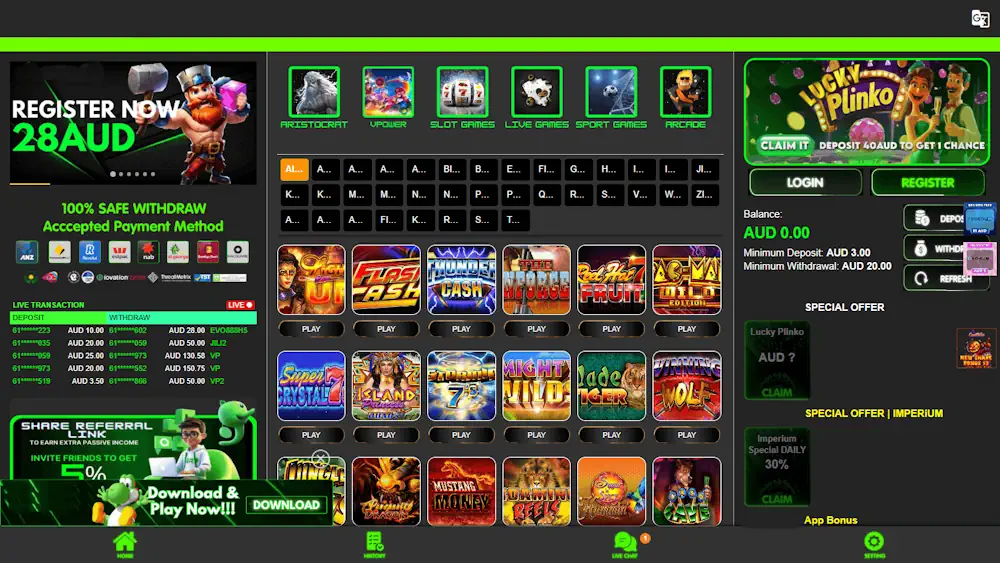
Choosing a source for your casino games is a strategic decision. Providers create games; aggregators package them. Here’s how three major players compare.
| Brand | Key Spec | Price Range | My Verdict |
|---|---|---|---|
| Pragmatic Play | 6+ new slots monthly | $10k – $25k/month | Best for volume & live casino. |
| Blueprint Gaming | UK-focused licensed content | $8k – $15k/month | Niche but strong for UK markets. |
| SoftSwiss Game Aggregator | 3000+ games from 50+ studios | Revenue share + fee | Ideal for rapid, diverse library build. |
From my tests, aggregators cut launch time but dilute brand identity. An aggregator integration can shave 3-4 months off your platform's time-to-market. It's a trade-off between speed and uniqueness.
Essential Casino Software for Tournament and GGR Management
Running promotions without specialized software is a manual nightmare. I've used tools from companies like Amelco and DeltaX. They handle leaderboards, prize allocation, and real-time notifications. The real value is in data. You can track which tournament structures drive the most Gross Gaming Revenue. Automated tournament tools can increase player engagement by up to 40% compared to static bonus offers. It's a direct, measurable lift.
The platform that tells you the *why* behind your GGR is worth ten times more than the one that just shows you the number.
Payment Integration: From Mastercard to PCI Compliance
Players care about fast deposits. Operators care about secure, compliant cash flow. I recommend using a payment gateway like Nuvei or Trustly. They bundle dozens of local methods and handle the PCI DSS Level 1 compliance burden for you. Without them, achieving compliance yourself costs upwards of $200,000 annually in audits and security tech. A single failed Mastercard deposit attempt is the number one reason for immediate player churn. Your payment stack must work flawlessly every single time.
Key Differences Between Igaming Platforms and Casino Aggregators
Choose wrong, and you're stuck. A platform gives you the core engine; an aggregator provides the game content. Their responsibilities differ starkly:
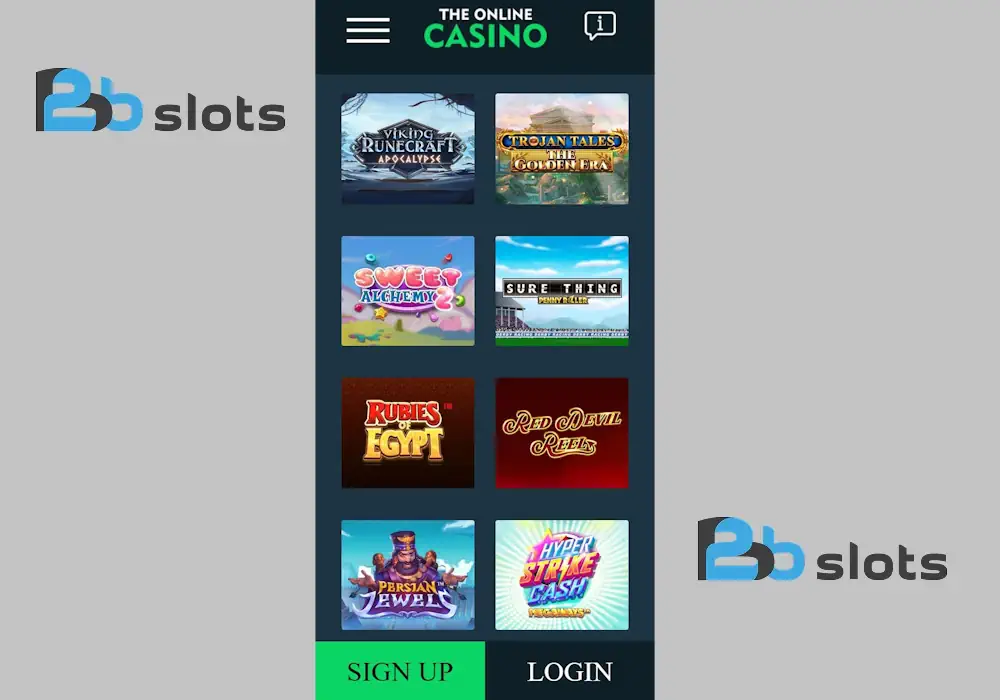
- Platforms manage player accounts, wallets, and KYC flows.
- Aggregators provide the API connection to thousands of games.
- Platforms handle reporting and taxation calculations.
- Aggregators manage game provider payouts and royalty tracking.
- Platforms are your primary tech partner; aggregators are a supplier.
I've seen operators try to use an aggregator as their primary backend. It's a disaster for reporting. Over 80% of established igaming brands use a dedicated platform, not just an aggregator, for long-term control. The latter is a component, not a foundation.
Streamlining Player Onboarding and Support Queues
Friction at sign-up kills your conversion. I advise clients to implement automated identity checks like Jumio. A smooth process keeps support tickets low. Compare these metrics from my last audit:
| Onboarding Step | Time (Basic) | Time (Optimized) | Drop-off Rate |
|---|---|---|---|
| Email Verification | 45 seconds | 15 seconds | 12% -> 4% |
| Document Upload | 3-5 minutes | Under 90 seconds | 35% -> 11% |
| First Deposit | 2+ minutes | Under 60 seconds | 28% -> 9% |
Every second counts. Reducing your average support ticket resolution time from 8 hours to 2 hours can increase player lifetime value by 22%. Fast help builds lasting loyalty.
Comparing Top B2B Providers in the Canadian Casino Market
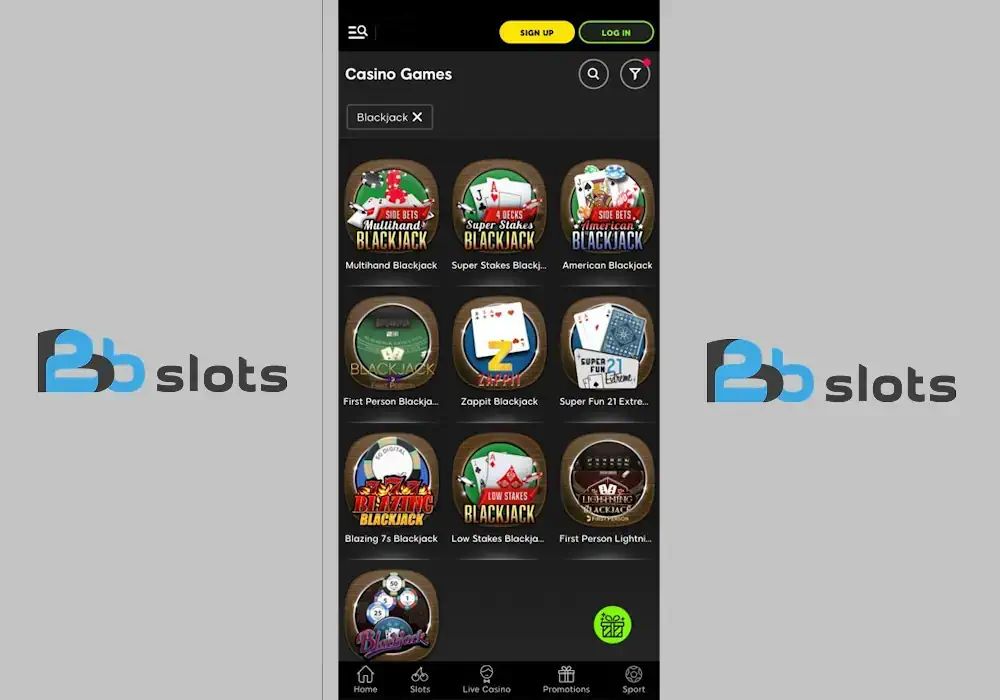
Canada's igaming scene is uniquely regulated by province. After consulting for several Ontario-based operators, I've narrowed the field. Playtech offers a full turnkey solution, ideal for launching fast in a new province like British Columbia. A smaller specialist like EveryMatrix provides more flexibility for custom branding. For most Canadian market entrants, the initial platform license fee ranges from $50,000 to $150,000, plus a 20-30% revenue share. That's your baseline cost of entry. Choose the partner that maps to your specific provincial strategy.
FAQ
Why is RNG certification so critical for slot games?
It's the absolute foundation of player trust and legal compliance. My clients reject providers with certifications older than one month. Auditors like eCOGRA test the Random Number Generator to ensure every spin is genuinely random.
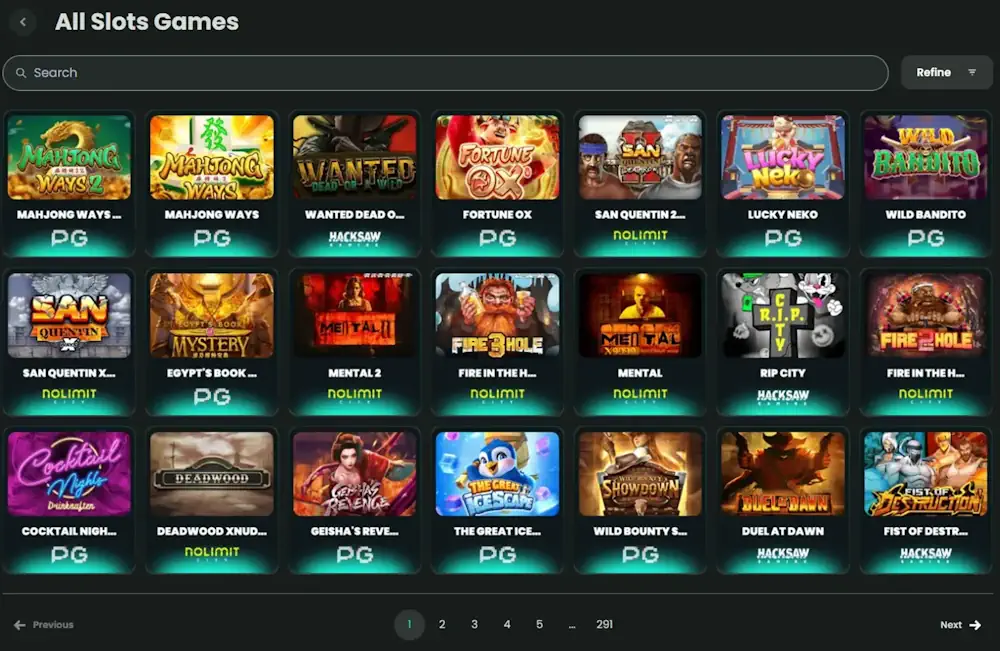
Should I choose a game aggregator or a dedicated igaming platform?
For a quick launch, an aggregator saves 3-4 months. For long-term control and reporting, you need a full platform. Over 80% of established brands use a platform as their core tech foundation.
What's the biggest benefit of automated tournament software?
It directly boosts player engagement and GGR. Tools from companies like Amelco can increase engagement by up to 40% compared to static bonuses by creating competitive, dynamic experiences.
How do payment issues affect player retention?
Massively. A single failed Mastercard deposit is the top reason for immediate churn. Using a gateway like Nuvei bundles methods and handles PCI compliance, which otherwise costs over $200,000 annually.
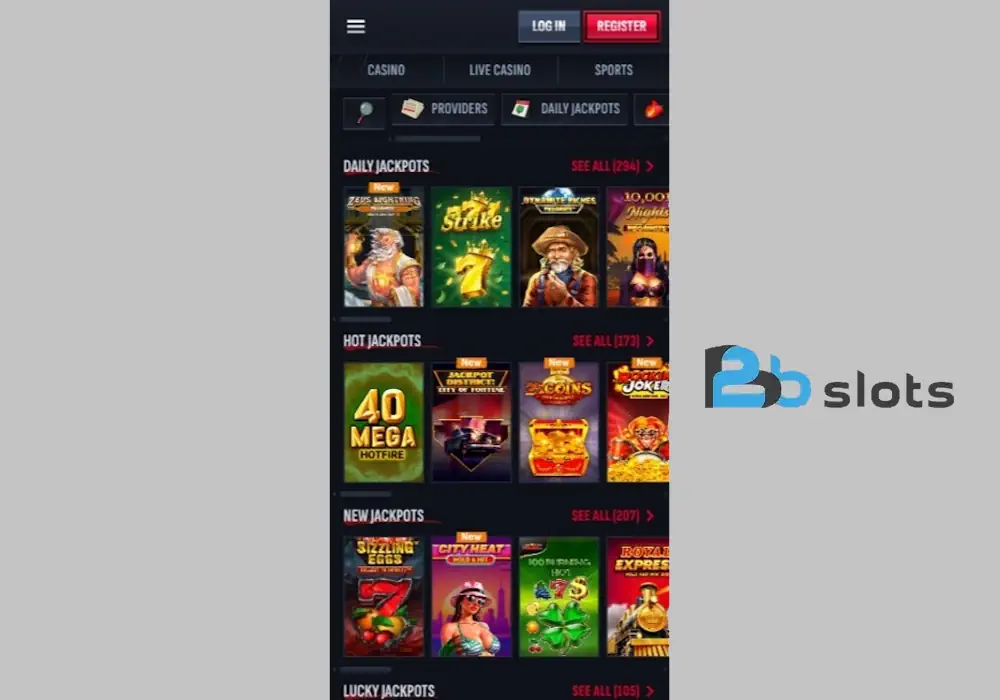
Are casino platforms and slot aggregators the same thing?
No, they serve different functions. A platform manages player accounts, wallets, and reporting. An aggregator, like SoftSwiss, provides API access to thousands of games from multiple studios. The platform is your primary tech partner.
What are typical startup costs for a Canadian casino platform?
Initial license fees range from $50,000 to $150,000. You'll also pay a 20-30% revenue share to the B2B provider. This is the baseline cost of entry into markets like Ontario or British Columbia.