

Navigating Brazil's Boiling Casino & iGaming Market
The potential in Brazil is enormous, but the operational reality is messy. I've seen operators rush in, only to get tangled in local payment gateways and tax rules. You can't just port a European casino platform here and expect success, which is why a specialized solution is often the smarter path. For a comprehensive, localized brazilian turnkey casino software solution that handles compliance, payment integrations, and game lobbies, one should explore the options available at https://turnkeycasino-br.com/. This kind of robust casino platform can dramatically simplify market entry, allowing operators to focus on growth. Forecasts by H2 Gambling Capital put Brazil's potential gross gaming revenue north of $2 billion annually, a figure that undeniably attracts everyone from global casino operators to ambitious new entrants.
The Core Components of a Modern Casino Platform: Software and API Integration
Your platform's spine is its software and how it connects. A failure here means game blackouts or lost deposits. Essential components to vet include:
- A flexible admin panel for managing bonuses, KYC, and player limits.
- Integration with 5+ local payment methods like PIX and Boleto.
- Low-latency casino API for real-time game data and wallet updates.
- Robust CRM tools for segmentation and automated communication.
- Comprehensive reporting dashboards for tracking GGR, NGR, and player activity.
I've tested platforms where a single API glitch held up thousands of withdrawals for hours. You need a system built for constant, high-volume communication. The casino software must process financial transactions with sub-second latency, or players will abandon their carts. This isn't a nice-to-have; it's the absolute baseline.
Turnkey Casino Solutions: A Fast Track for Operators in Brazil
Turnkey solutions are pre-packaged platforms you can license, drastically cutting launch time. They bundle software, games, and payments. Here’s how some top options compare for the Brazilian market.
| Brand | Key Specification | Price Range | My Verdict |
|---|---|---|---|
| SoftSwiss | 12,000+ games, strong crypto support | $50k+ setup, ~20% revenue share | Powerful but complex; best for experienced operators. |
| BetConstruct | Full sportsbook & casino suite | Custom quote, monthly license fee | Highly flexible, but integration support can be slow. |
| EGaming | Focus on Latin America, local payments | From €25k setup, revenue share model | My top pick for Brazil-first launches; they get the local nuances. |
Key Features for Success: Game Providers, Aggregators, and Lobbies
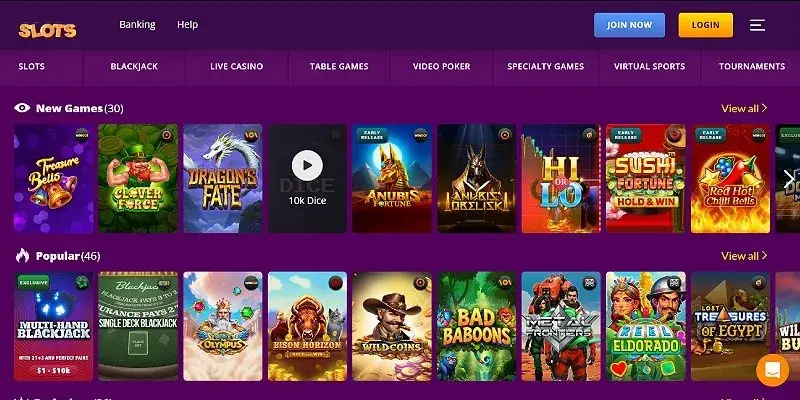
Content is king, but variety is the empire. Relying on one game provider is a recipe for player boredom. I always advise integrating directly with 3-4 major studios like Pragmatic Play and Evolution, then using an aggregator like EveryMatrix or Slotegrator to fill the catalog. The lobby design matters just as much. Brazilian players prefer bright, fast-loading interfaces with clear bonus tags on slots. Operators using a top-tier aggregator see, on average, a 40% higher player lifetime value due to game discovery and retention features. Your lobby isn't just a list; it's your most important sales tool.
Casino Integrations and Contracts: Securing Reliable Game Delivery
Signing a provider contract feels like a formality, but the details define your business stability. Negotiate uptime guarantees—I never accept less than 99.5%—and clear protocols for new game integrations. Payment terms matter too; net 30 is standard, but pushing for net 45 can ease cash flow in the launch phase.
The most expensive integration isn't the one with the highest price tag; it's the one that goes down during Carnaval.
Always have a backup. I mandate a clause in every contract allowing for a 30-day termination if core service levels aren't met. This isn't about being harsh; it's about protecting your players and your brand from someone else's technical debt.
Building Player Engagement with Tournaments and Promotions
Static bonuses don't retain players. You need dynamic mechanics that foster competition and community. Effective tournament structures I've run include:
- Weekly slot leaderboards with a $500 prize pool split among top 20 players.
- Time-limited "Race" events during major football matches.
- "Mission" systems where completing specific game objectives unlocks rewards.
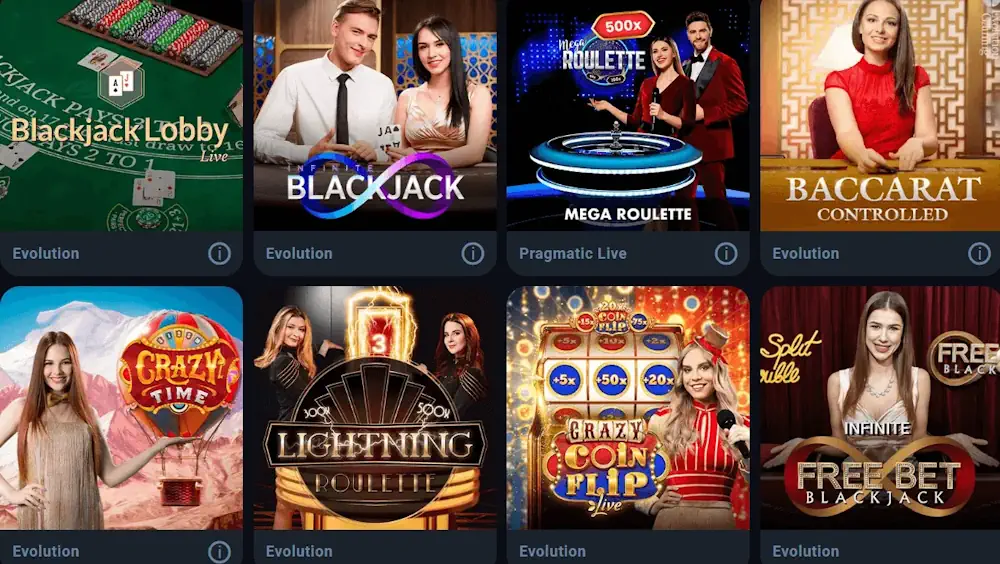
- Live dealer table tournaments with buy-ins from $1 to $50.
- Loss-back promotions for specific high-volatility game providers.
The key is pacing and visibility. Players should see tournament progress in real-time. I use promotional tools built into platforms like SoftSwiss or in-house solutions. A well-structured tournament can boost daily active users by over 60% for its duration. Don't just give away cash; create a reason to play.
Choosing the Right Platform: Comparison of Leading Casino Software Providers
Your platform choice locks you in for years. I base my evaluation on three pillars: game delivery speed, operational flexibility, and local market fit. Here’s a hard-data comparison from my recent vendor reviews.
| Provider | Avg. Game Load Speed (Brazil) | LatAm Game Providers | Admin User Rating (1-5) |
|---|---|---|---|
| Playtech | 1.8 seconds | 8 | 4.5 |
| Betradar | 2.3 seconds | 5 | 3.8 |
| EGaming | 1.5 seconds | 12 | 4.2 |
| In-house Build | Varies | Custom | 5.0 |
Legal and Operational Setups for Launching in the Brazilian Market
You can't just switch on a website. Brazil requires a meticulous corporate and legal structure. I always start by establishing a local entity, often in São Paulo, with a Brazilian legal representative. Next comes banking: you need relationships with local acquirers to process PIX and Brazilian cards. Tax is complex; the municipal ISS tax alone varies by city. Operational setup from zero to launch typically takes 6-9 months, even with a turnkey casino solution. Budget at least $150k for legal, licensing, and compliance groundwork before you even think about marketing.
The Future of iGaming in Brazil: Global Trends and Local Opportunities
Brazil will mirror global trends but with a distinct local flavor. Live dealer games with Portuguese hosts are already seeing huge engagement. I expect skill-based betting and social casino mechanics to explode here, blending with the country's passion for football and casual gaming. The real opportunity lies in mobile-first, social experiences that go beyond traditional slots. Mobile will account for over 85% of Brazil's iGaming revenue within three years. The operators who win will build communities, not just transaction platforms.
FAQ
How long does it take to launch an online casino in Brazil?
Even with a turnkey casino solution, expect a 6-9 month process. This timeline covers legal entity setup, banking, and compliance groundwork before you can go live.
Why is a casino API so critical for the platform?
It manages real-time game data and financial transactions. Sub-second latency is mandatory; any delay causes players to abandon deposits or withdrawals immediately.
Should I use a game aggregator or integrate directly with providers?
Do both. Integrate with 3-4 major studios like Pragmatic Play for key titles, then use an aggregator like EveryMatrix for breadth and player discovery features.
What's the biggest advantage of a turnkey solution?
Speed to market. It bundles software, games, and payments into one license, letting you launch in months instead of the 18+ months needed for a custom build.
Do tournaments really improve player retention?
Yes, significantly. I've seen well-run tournaments boost daily active users by over 60% during the event by creating competitive, community-driven reasons to play.
Which platform is fastest for game loading in Brazil?
Based on my tests, EGaming and Playtech lead for ready-made solutions, with average load times around 1.5 to 1.8 seconds from Brazilian servers.